In a recent article in the Columbia Journal of Environmental Law, law student Paige Pavone criticizes suburban apartments and condominiums as “green sprawl” because they “merely add density to suburban sprawl and exacerbate the very problems smart growth seeks to correct.” She explains that without public infrastructure to support walking and biking, these developments merely entice more people into car-dependent suburbia, and therefore should not be entitled to density bonuses and other incentives that a state might use to encourage smart growth. In particular, she claims that such “High-Density Islands” are cut off from “communities, local governments, nature, public transportation, and sidewalks.”
Is this critique fair? Somewhat.
Pavone examined a variety of suburban multifamily developments, but focuses on Reading Woods, in Reading, Massachusetts, a suburb of Boston. She claims that Reading Woods residents “cannot walk to the public library, a bank, or a grocery store” and would have to cross I-95 to reach a chain restaurant. So I decided to look at Reading Woods on Google Street View and see how horrible it is.
First of all, I looked for sidewalks. The main street serving Reading Woods is Jacob Way. Jacob Way generally has sidewalks, as does Augustus Court (the main street serving the part of Reading Woods further away from South). So it seems to me that a resident of Reading Woods can use sidewalks for most visits to South Street and other neighborhood streets. To reach Main Street (the neighborhood’s main commercial street) you must walk briefly on South Street, which also has a sidewalk (though it only serves one side of the street, and looks pretty narrow). Continue reading

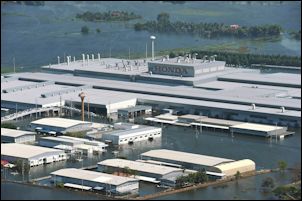
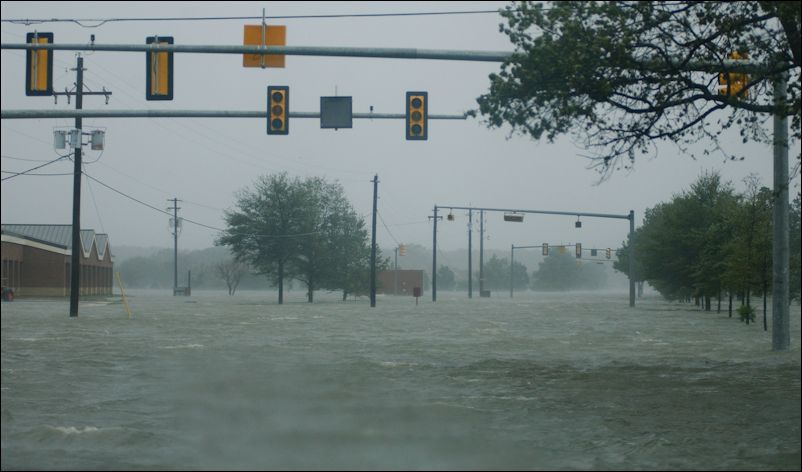 by James A. Bacon The key to building a strong resiliency movement – making communities more adaptable in the face of natural and man-made disasters — is finding common ground. So argued Steven McNulty, director of the U.S. Department of Agriculture Southeast Regional Climate Hub, in addressing the launch event of Resilient Virginia this morning. Fear of rising temperatures, droughts and sea-level rise is a major impetus behind the increasing emphasis that all levels of government are placing on resiliency. But political views about climate change are highly polarized, McNulty said. “Are you a fear monger, or are you a denier? We need to get beyond that.” Most climate scientists believe that man-made climate change is a cause for concern. But the forestry land managers McNulty deals with do not. In a recent survey, he said, “only 10% of Southeast foresters thought that climate change is man-made and real. The agricultural community is almost as disbelieving.” As it happens, their perceptions are not without basis, he added. Rising temperatures in the Southeastern U.S. have been far less pronounced than anywhere else in the country.